Tall, Curvy, and Nowhere Near the Floor: a Wedding Guest Dress That Actually Reaches
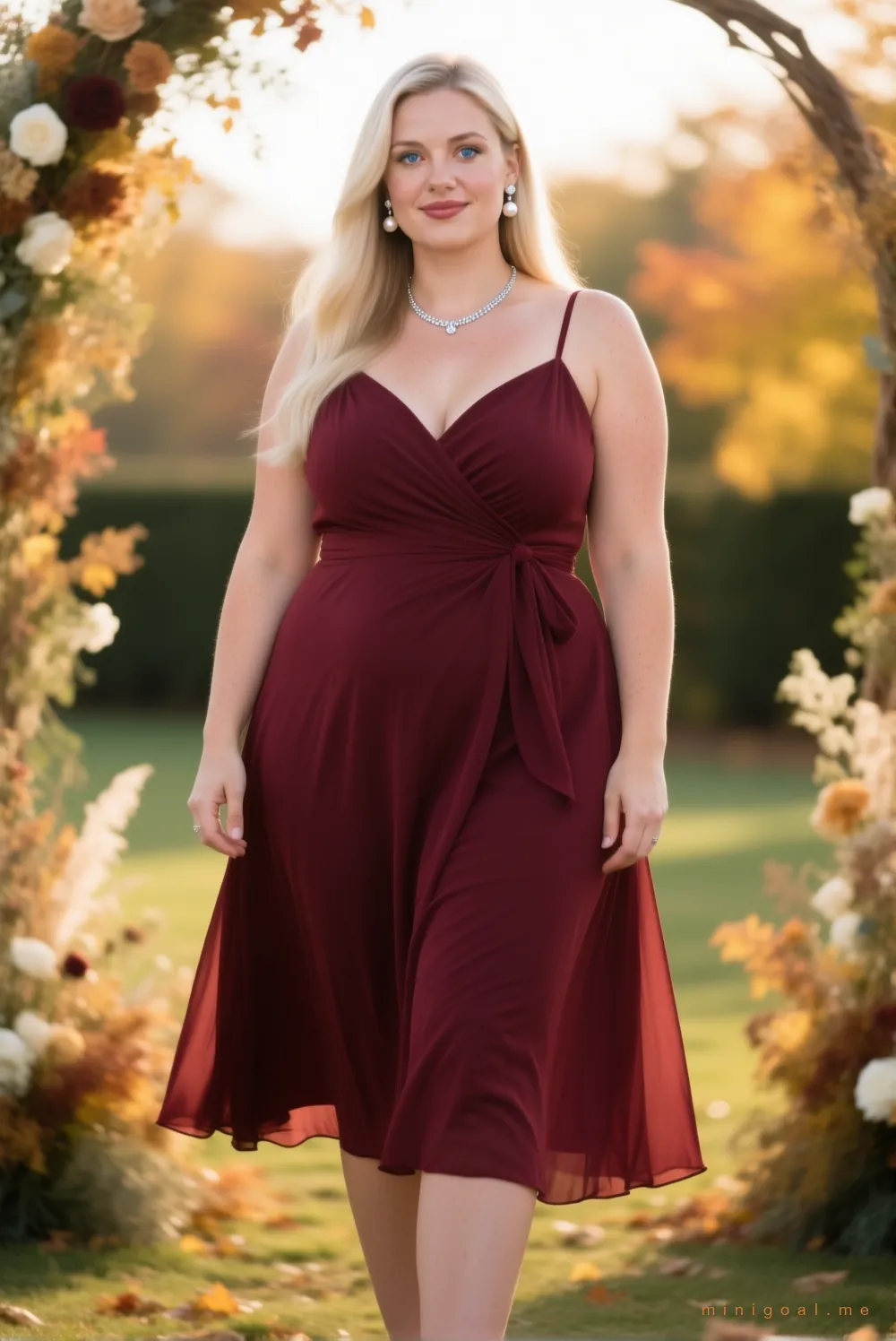
Georgia is 175cm. Every dress labelled “floor-length” stopped a good 8cm above hers. Here is what she changed — and none of it involved losing weight.
The problem is the pattern, not your body
Ready-to-wear “maxi” dresses are cut for an average height of about 165cm. Add a plus-size fit block that assumes a shorter frame, and you get a hem that lands mid-calf on anyone tall. Nothing about your proportions is wrong — you are shopping in a size system that never measured you.
Rule 1 — Measure waist-to-floor, then shop that number
Forget the label. Take a tape from your natural waist to the floor in the shoes you'll actually wear. That number — 108cm for Georgia — is the only length spec worth shopping by. Save it in your phone notes. When a dress description lists a real length in centimetres, you finally have something to compare it to.
Rule 2 — Thin straps are not the enemy; the back is
“Curvy women shouldn't wear spaghetti straps” is bad advice dressed up as kindness. What decides whether straps work is the back line and the bra underneath. Pick a fabric with weight — satin, crepe, heavy jersey — so the dress hangs instead of clinging, and the straps read delicate rather than strained.
Rule 3 — Put the waist where you want the eye to stop
An empire or high waist placed above your natural line adds length below it and shifts attention upward. Georgia's dress is one column of burgundy satin: thin straps, high waist, front split, floor-length hem. Four decisions, one silhouette — and not one of them required hiding anything.
The silhouette to save: weighted fabric + high waist + floor-length hem. Photograph it, then look for that shape in any colour you like.
Loved this? The Outfit Tab in our app recommends looks based on your body type, the occasion, and the weather — no fitting-room tears required. → Try the Outfit Tab