Meet Nora: She Found Her 17-Year-Old Diary — and Stopped Waiting to Be Thin
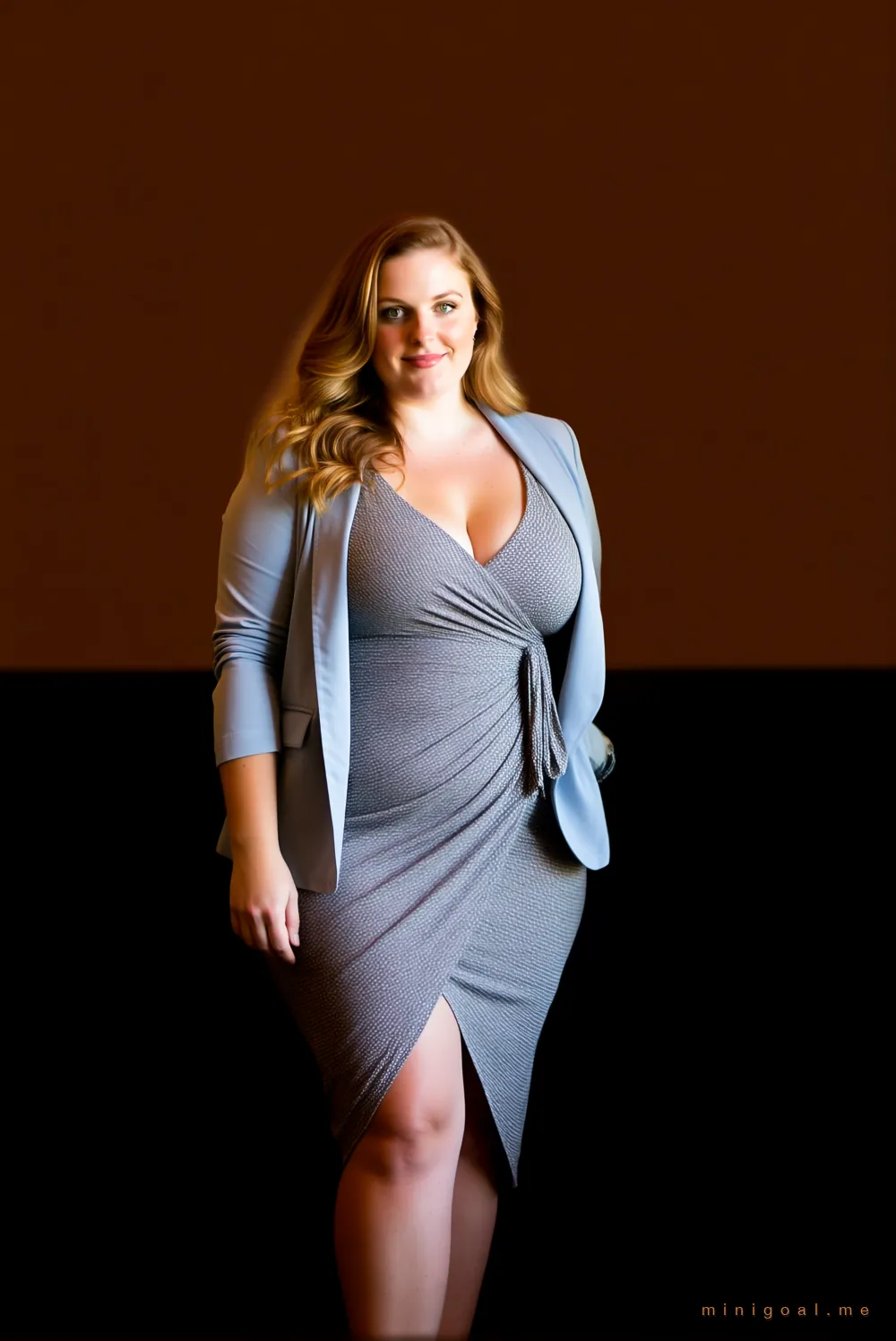
🍂 At seventeen I wrote a list: "when I'm thin, I'll wear the dress, go to the beach, say yes."
Ten years later, nothing was crossed out. So I tore up the list — and learned to style the body I actually have. Why wait to be thin?
It started with a box. I was packing, years ago, and at the bottom of it I found a diary I wrote when I was seventeen. I sat on the floor and opened it — and there it was, the list I'd underlined twice: "when I'm thin, I will — wear a strappy dress. go to the beach. dance at prom. say yes to that one date." WHEN I'M THIN.
Ten years later I found that diary while packing. I was twenty-seven, wearing black, in a body that never quite became the "thin" I was waiting for. I sat on the floor and read the list. Nothing was crossed out. Not one item. Not because I never had the chance — because I was still waiting.
Thirteen was the year I learned the word "flattering" — my mom holding up a black dress, meaning this one makes you look smaller. By seventeen I had built my entire life on the other side of a door that never opened: the door marked "when I'm thin."
Here's what I realized, sitting on that floor at twenty-seven: the list wasn't a dream. It was a prison. And I was the jailer. The key was a size I was never going to be — because I was never the problem.
So I tore up the list. Not my body — the list. And I started learning how to style the body I actually have. Not to "hide" it. To dress it — properly, joyfully, like it was worth the effort. Because it is. That's what this series is about: same body, better styling. Why wait to be thin, when you can be well-dressed today?
I'm not a model. And I'm not a stylist, either.
But I learned styling the hard way — by studying bodies, fabric and proportion until I understood why some outfits flatter and others fight you. Here are the three principles that changed everything for me. No slimming magic. Just geometry.
1. High waist = longer legs
A high-rise waist sits at your narrowest point and visually moves your leg line up. Longer legs, balanced torso. That's not a trend — that's proportion. It's why high-waisted jeans beat low-rise every single time, no matter what decade we're in.
2. Drape = covering without clinging
Fabric that drapes follows your shape instead of squeezing it. A tight dress clings to every curve it passes. A drapey one skims — it suggests, it doesn't insist. Same body, completely different line.
3. Waist-tie = definition
Give your waist a job. A belt, a tie, a blouse tucked just at the front — it tells the eye where your waist is. Without it, you're a soft column. With it, you're an hourglass. The body didn't change. The geometry did.
Here's what I wish I could tell seventeen-year-old me, sitting on that floor with her list: you don't have to wait. The beach, the dress, the dance — they weren't waiting for a thinner you. They were waiting for you to stop apologizing.
Clothes are your state of mind, worn on the outside
And here's the part that surprised even me: the research says clothes change how you think and feel. It's called enclothed cognition — Adam & Galinsky, 2012, one of the most-cited studies in the field (DOI: 10.1016/j.jesp.2012.02.008). People wearing a white coat performed better on attention tasks than people wearing the same coat described as a painter's smock. Same coat. Different story.
And there's a bigger number behind this. In a global study of over 10,000 women, Dove found that nearly 8 in 10 women say they've missed out on a moment in their lives — a beach day, a date, a photo, a yes — because of how they felt about their bodies. Think about that: a wardrobe full of missed beaches and missed dances. It's the most expensive clothing problem in the world. And it's fixable.
Dress like you're hiding, and you'll feel like hiding. Dress like you belong — and slowly, you start acting like it.
Tonight, tear up your list
Open your diary — or your phone notes, or just your thoughts — and write your own "when I'm thin" list. Then read it out loud. Ask yourself: which of these is actually about weight? Most of them aren't. They're about a life you're postponing. The dress is already in stores. The beach is still there. The yes is still available.
And if you're thinking "I don't even know where to start, so I'll never start" — I know that feeling. I built my whole practice on tiny habits: one styling change, one day at a time. I track that habit with a free app called Minigoal, but honestly — a paper note, a wall calendar, a friend who tells you the truth: whatever works. The point is the small act of showing up for yourself. That's the habit that changes how you dress. And how you feel.
Next week I'm starting something new — a series with my best friend Maya. She asks the questions you're too shy to Google: "what do I wear to a wedding I'm not in the bridal party for?" "why does every dress cling to my belly?" And I answer with the real why — not "just wear black."
The most flattering thing you can wear is the belief that you're worth styling — not worth hiding. That's it. That's the whole guide.
Loved this? The Outfit Tab in our app recommends looks based on your body type, the occasion, and the weather — no fitting-room tears required. → Try the Outfit Tab