Meet Emma & Lucia: How Two Friends Learned to Track Energy, Not Guilt
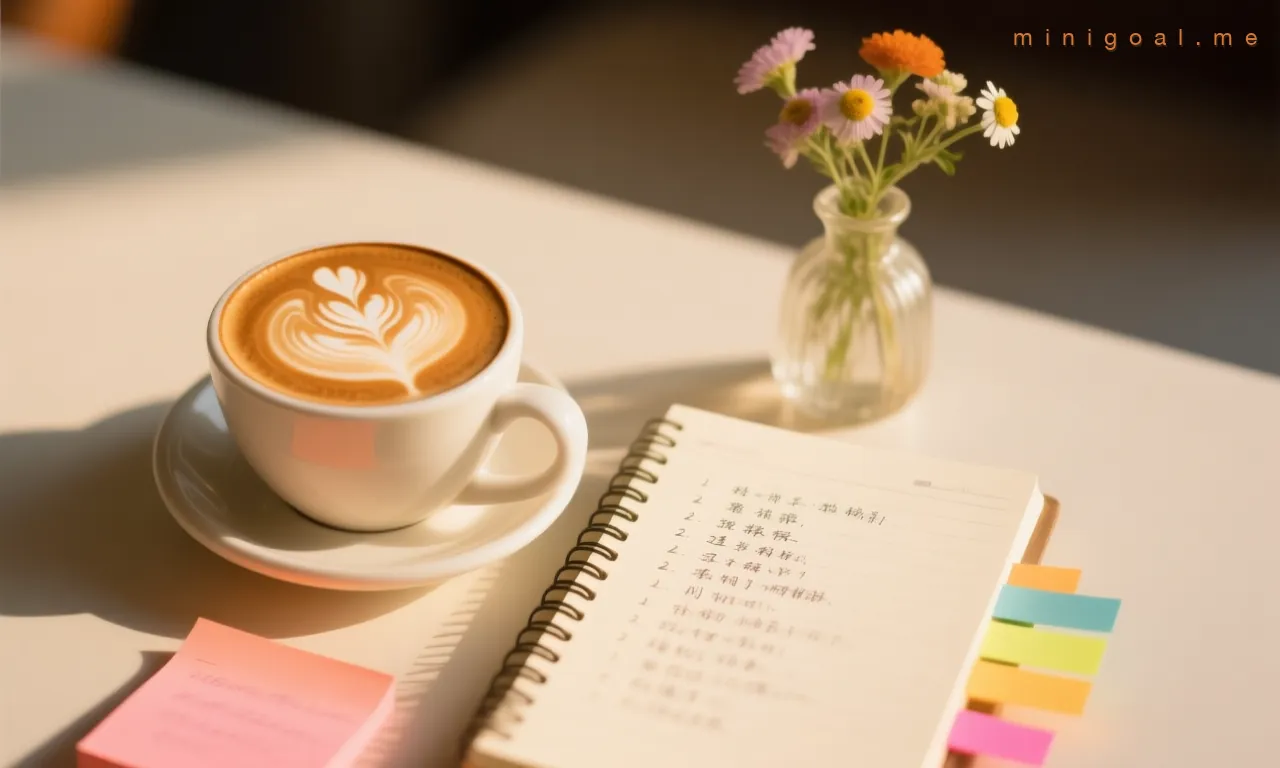
🍂 Two friends. One tired year. And a 5-second habit that changed everything.
This is the story of how we stopped forcing ourselves — and started tracking our energy instead.
I'll start. Last autumn I was running on empty and pretending I wasn't. I'd sit by the window with my tea, open my to-do list, and feel my chest tighten before I'd even started. "Just push through," I told myself. So I pushed. And by 8pm I wasn't a person anymore — I was a drained phone at 2%, glowing with guilt.
And I was the "organized one" — ha. I had the color-coded planner, the morning routine, the motivational quotes. But my body was staging a quiet rebellion. I'd wake up already tired and think: seriously? The planner was pretty. The energy wasn't there. That's when I got honest with myself: I was managing tasks perfectly and managing myself terribly.
The night we stopped fighting ourselves
We were on a video call, both exhausted, both pretending it was a phase. Then Emma said something that stopped us both: "What if we're not lazy — what if we're just always planning for a version of ourselves that doesn't exist?"
We made a pact that night: for one week, we'd stop tracking our tasks and start tracking our energy. No overhaul. No app marathon. Just one number, once a day, plus a note about what drained us and what filled us.
What we tried that actually worked
1. The 5-second morning check-in (Emma's favorite)
Every morning, before the phone, before the coffee — rate your energy 1 to 10. That's it. No journaling requirements, no "gratitude pyramid." One number.
The first morning I rated myself a 3 and then wrote: "woke up, rain, no reason, just heavy." No guilt — just information. By day four I noticed something: my 3s weren't random. They came after late nights, after people-days, after weeks of saying yes to everything. My energy was telling me a story I'd been too busy to read.
2. Plan around the number, not the fantasy (Lucia's game)
High energy day? Do the hard thing first. Low energy day? Move the hard thing, keep the small wins, rest without the side of shame.
I turned it into a game. On a 7-8 day, I'd tackle the project I'd been avoiding for a month. On a 3-4 day, I'd do the "five tiny things" version — reply to one email, drink water, call my sister, tidy one drawer, go for a short walk. And here's the plot twist: I got more done in a month than in the previous three. Because I stopped wasting 7-days on the small stuff and stopped guilt-spiraling on 3-days.
3. The 4 energy channels (our shared discovery)
We quickly learned that "energy" isn't one battery — it's four:
- 💪 Physical — body, sleep, movement
- ❤️ Emotional — mood, connection
- 💡 Mental — focus, clarity
- ✨ Spiritual — purpose, meaning
When Lucia's emotional channel was empty, a "productivity hack" was useless — she needed a phone call with her sister. When Emma's mental channel was foggy, another to-do list made it worse — she needed ten minutes of doing nothing by the window. The right question isn't "why am I failing?" — it's "which channel is low, and what does that channel actually need?"
What changed after one week
- The guilt left first. We could see the low days coming instead of blaming ourselves for them.
- Rest became strategy. A slow evening stopped being "being lazy" and became "recharging for tomorrow."
- We stopped arguing with our bodies. You can't negotiate with a drained battery — you charge it.
🌙 Emma's gentle reminder: This isn't about being more productive. It's about being kinder to the person you actually are — the one who gets tired, who has seasons, who deserves rest without a reason.
🔥 Lucia's push: Start tonight. Not Monday. Not January. Tonight, before bed, rate your energy 1-10 and write one line about your day. That's it. In a week you'll know more about yourself than a year of motivational quotes ever taught you. You've got this, girl.
How to start (yes, tonight)
- Before bed: rate your energy 1–10. One line on what drained or filled you.
- Tomorrow morning: rate again when you wake up. Notice the gap.
- After a week: look for patterns — peaks, dips, drains, refills.
If you want to try it
We track with a free app called Minigoal — it has the 4 energy channels above, a mood journal, and a place to break wishes into small steps, on web and Apple Watch. It's how we found our patterns in the first place. But honestly? Use whatever works — a notebook, the notes app, a piece of paper on the fridge. The point isn't the tool. The point is that tonight, you check in with yourself like a friend would.
Emma and Lucia are fictional brand characters created by MiniGoal. All illustrations on this blog are AI-generated for inspiration only.